
Airway Orthodontics: A Complete Guide to Breathing, Sleep, and Smiles
Airway orthodontics is an approach to orthodontic care that looks at how the jaws, palate, and bite affect breathing, sleep, and facial development — not just how straight the teeth are. By guiding craniofacial growth and supporting nasal breathing, an airway-focused orthodontist aims to create a healthier airway alongside a confident smile.
If your child snores, breathes through their mouth, or struggles with crowded teeth, those signs may be connected. The same is true for many adults who feel tired despite a full night’s sleep. This guide explains what airway orthodontics is, who it helps, how treatment works, and the best time to start — in plain language, with realistic expectations.
What Is Airway Orthodontics?
Airway orthodontics treats the mouth and face as one connected system. The shape and width of the upper jaw, the position of the tongue, and the size of the airway all develop together. When that development is healthy, breathing through the nose tends to be easy and sleep tends to be restful.
This is the main difference from braces-only orthodontics. Traditional orthodontics focuses mostly on straightening teeth and correcting the bite for appearance and chewing. Airway-focused orthodontics adds another question: how well can this person breathe? It considers arch width, palate shape, the room available for the tongue, and how the jaws affect the airway.
The link between the jaw, breathing, and sleep is at the center of this work. A narrow palate or underdeveloped upper jaw can leave less room for the nasal passages and tongue. That can encourage mouth breathing instead of nasal breathing, which over time may influence how the face grows and how well a person sleeps.
“Straight teeth are only part of the picture. When we evaluate a child, we’re also asking whether they can breathe easily through their nose, day and night — because the way the jaws develop helps shape the airway for life.”
— Dr. Max Gordon, Orthodontist, Park Smiles NYC
Nasal breathing matters because the nose filters, warms, and humidifies the air, and it supports a natural resting tongue posture against the roof of the mouth. That tongue pressure helps shape a wide, healthy upper jaw. Airway orthodontics often works hand in hand with myofunctional therapy, a set of exercises that retrain the tongue, lips, and breathing muscles. An airway dentist may also coordinate with an ENT, allergist, or sleep physician so care addresses the whole person.
We offer airway evaluations in Carnegie Hill.
Who Benefits? Signs and Symptoms
Airway orthodontics may benefit children and adults who show signs of disrupted breathing or jaw development. Many of these signs are easy to miss because they seem unrelated to the teeth. Noticing several of them is a reason to ask for an airway-focused evaluation.
Common signs in children
- Breathing through the mouth, especially at rest or during sleep
- Snoring, noisy breathing, or pauses in breathing at night
- Restless sleep, unusual sleeping positions, or frequent waking
- Crowded or crooked teeth, or a narrow, high-arched palate
- Crossbite, open bite, or a jaw that looks set back
- Chronic congestion, allergies, or enlarged tonsils and adenoids
- Daytime tiredness, trouble focusing, or hyperactivity
- Dark circles under the eyes or a long, tired-looking face
- Teeth grinding, chapped lips, or dry mouth in the morning
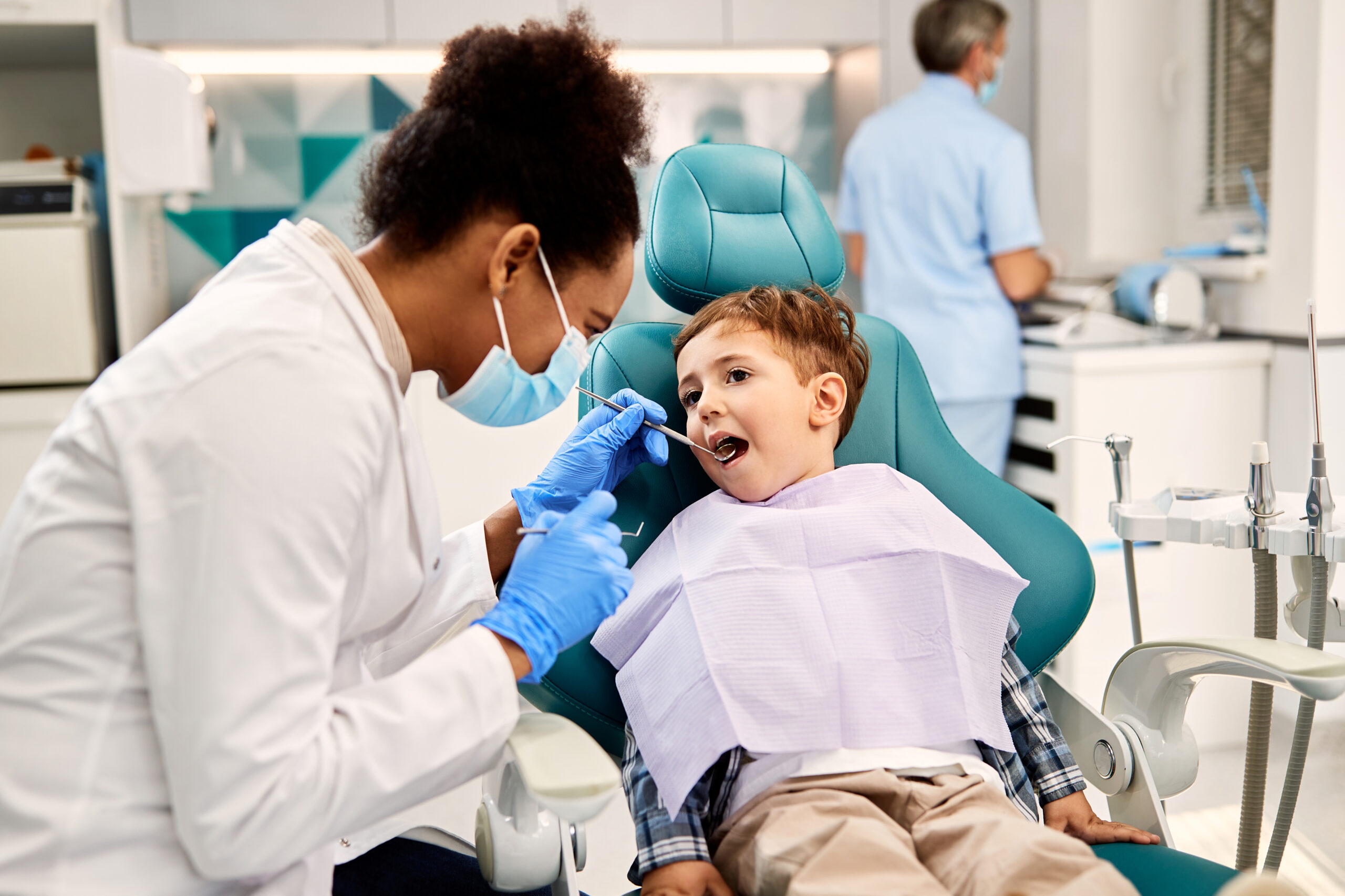
Because some of these overlap with attention or behavior concerns, an evaluation focused on airway orthodontics for children can be a helpful piece of the puzzle alongside your pediatrician.
Common signs in adults
- Loud snoring, or a partner noticing gasping or pauses in breathing
- Waking up unrefreshed despite enough hours of sleep
- Daytime fatigue, brain fog, or morning headaches
- Clenching or grinding the teeth at night
- Crowded teeth, a narrow arch, or scalloped edges on the tongue
- Jaw or TMJ discomfort, or difficulty breathing through the nose
Showing one or two of these signs does not confirm a problem. It simply means a closer look is worthwhile. Conditions such as obstructive sleep apnea (OSA) must be diagnosed by a physician, often with a sleep study.
How It Works: The Treatment Process
Airway orthodontics follows a step-by-step process that starts with a careful assessment and ends with long-term monitoring. Every plan is personalized, but most patients move through these stages.
- Airway assessment and screening. The orthodontist reviews health history, breathing habits, and sleep patterns, and examines the palate width, tongue posture, tonsils, and nasal airway. Sleep questionnaires may be used to flag concerns.
- Imaging and diagnosis. Digital scans, photographs, and 3D imaging (such as cone beam CT, when appropriate) help visualize the jaws and airway. When sleep-disordered breathing is suspected, the orthodontist may refer you to an ENT or sleep physician for a medical diagnosis.
- A personalized treatment plan. Findings are explained in plain language, with goals, options, timelines, and costs reviewed together before anything begins.
- Orthodontic appliances and alignment. Depending on age and needs, treatment may use a palatal (maxillary) expander to gently widen the upper jaw, functional appliances to guide jaw growth in children, and braces or clear aligners such as Invisalign to align the teeth and shape the arches.
- Myofunctional therapy. Guided exercises help establish nasal breathing, correct tongue posture, strengthen the oral and facial muscles, and reduce habits like thumb-sucking or tongue thrust.
- Team-based care. When helpful, the orthodontist coordinates with an ENT, allergist, sleep physician, or myofunctional therapist so breathing, sleep, and dental development are addressed together.
- Monitoring and retention. Progress in growth, alignment, breathing, and sleep is tracked over time, and retainers help hold the results.
“The reason we look closely at kids around age seven is timing. The bones of the upper jaw are still growing and the palate hasn’t fully fused, so we can often guide development gently rather than waiting and correcting later.”
— Dr. Max Gordon, Orthodontist, Park Smiles NYC
Results and Benefits: What Can You Expect?
Airway orthodontics aims to improve breathing, sleep, bite, and — in growing children — facial development. Results vary from person to person, and no outcome is guaranteed, but many patients and families notice meaningful changes over the course of care.
Potential benefits include:
Easier nasal breathing and a habit of keeping the lips together at rest
More restful sleep and reduced snoring for some patients
More room for the tongue and improved tongue posture
Wider dental arches, which can mean more space for the teeth
A more balanced bite and improved chewing function
Support for healthy, symmetrical facial growth in children
It is important to set honest expectations. Airway orthodontics is not a stand-alone cure for obstructive sleep apnea, and outcomes depend on age, anatomy, consistency with appliances and exercises, and whether other factors — like enlarged tonsils or allergies — are also treated. For patients with sleep-related breathing concerns, this care often works best alongside orthodontic treatment for obstructive sleep apnea and medical guidance.
“We’re careful to set realistic expectations. Airway-focused care can make a real difference in breathing and sleep for many patients, but it works best as part of a team that may include your pediatrician, an ENT, or a sleep specialist.”
— Dr. Max Gordon, Orthodontist, Park Smiles NYC
When Should Airway Orthodontics Begin? Age-by-Age Timing
There is no single right age for airway orthodontics, because the goal changes as a person grows. Early intervention can be powerful in children because the bones are still developing, while adults benefit from a different mix of options. The table below shows what is often possible at each stage.
| Age Group | What's Often Possible | Why This Stage Matters |
|---|---|---|
| Ages 2–6 early childhood | Screening for mouth breathing and sleep concerns; gentle guidance to stop thumb-sucking or pacifier habits; referral to an ENT for enlarged tonsils or adenoids; early myofunctional support; monitoring jaw growth. | Rapid growth and very adaptable tissues make this an ideal time to encourage nasal breathing. Most care is preventive and observational. |
| Ages 7–11 mixed dentition | The AAO recommends a first orthodontic check-up by age 7. Palatal expansion, functional appliances, and myofunctional therapy are often most effective. This interceptive, or Phase 1, care may reduce the need for complex treatment later. | The palate's mid-line suture is still open and the bones are actively growing, so widening the arch and guiding development are often easier. |
| Ages 12–18 adolescence | Remaining growth still allows some guidance. Comprehensive braces or clear aligners — sometimes combined with expanders or functional appliances — address alignment, bite, and arch form. | Growth that's left can be used to support the airway, while bite and crowding issues are corrected before adulthood. |
| Adults 18+ | Jaws are fully developed, so expansion may need advanced or surgically assisted techniques. Aligners or braces correct crowding and bite. Airway and OSA concerns are managed with a physician and may involve oral appliances or, in select cases, jaw surgery. | Because growth is complete, options differ — but treatment can still improve comfort, function, breathing, and support sleep apnea care. |
The takeaway: early evaluation does not always mean early treatment. Often it simply means an airway dentist can watch development and step in at the most helpful moment.
Frequently Asked Questions About Airway Orthodontics
Screening can begin as early as ages 2 to 3, but the American Association of Orthodontists recommends a first orthodontic evaluation by age 7. An early visit lets an airway-focused orthodontist spot a narrow palate or breathing concerns while a child is still growing, when guiding jaw development is often most effective.
It may help, especially in children, by widening the upper jaw and creating more room for the airway. However, orthodontics alone is not a guaranteed cure for obstructive sleep apnea. Diagnosis requires a sleep study, and care is best coordinated with a physician or sleep specialist.
Coverage varies widely. Some medical or dental plans cover part of the cost when treatment relates to a diagnosed condition such as sleep-disordered breathing, while others classify orthodontics as elective. Our team can review your benefits and explain payment options during your consultation.
Treatment length depends on age, the issue being treated, and the appliances used. Early interceptive phases are often shorter, while comprehensive treatment may take longer. Your orthodontist will give a personalized estimate after a full assessment.
An airway dentist, or airway-focused orthodontist, evaluates how the jaws, palate, and bite affect breathing and sleep — not only how the teeth look. Treatment aims to support healthy nasal breathing and craniofacial development alongside straightening the teeth.
Yes. Children have more growth potential, but adults can still benefit. Treatment may reduce crowding, support better breathing, and complement sleep apnea care. Because adult jaws are fully developed, options differ and may involve clear aligners, expanders, or teamwork with a sleep physician.
It is often an important companion to treatment. Myofunctional therapy retrains the tongue, lips, and breathing muscles to support nasal breathing and proper tongue posture, which can help stabilize results. Your provider will advise whether it is recommended for your situation.
Sometimes yes, but often less of it. Early (Phase 1) treatment focuses on guiding jaw growth, widening a narrow palate, and improving breathing while the bones are still developing. That groundwork can simplify any braces or aligners that come later, and in some children it lowers the odds of needing extractions or jaw surgery down the road. A short second phase to fine-tune alignment is common once the permanent teeth are in
Ready to Learn What’s Best for Your Family?
Better breathing can support better sleep, focus, and growth — at any age. At Park Smiles NYC, our team takes the time to evaluate the whole picture: your jaws, your bite, and how well you breathe. Explore our orthodontic treatments, then book a consultation to find out whether airway orthodontics is right for you or your child.
Schedule your airway-focused consultation at Park Smiles NYC today.
This article is for general educational purposes and is not a substitute for professional medical or dental advice, diagnosis, or treatment. Conditions such as obstructive sleep apnea must be diagnosed by a qualified physician. Always consult your provider about your specific situation. Medically reviewed by Dr. Max Gordon, DDS — Orthodontist, Park Smiles NYC.
We Provide Superior Results
At Park Smiles NYC in Carnegie Hill, Upper East Side, our mission is to provide every patient with exceptional care, prioritizing comfort, compassion, and excellence at every step.
We are dedicated to delivering outstanding results through personalized attention in a welcoming and supportive environment. Led by Dr. Krystle Kendall, D.M.D., our skilled team offers a full range of top-quality dental services—all conveniently available under one roof in Carnegie Hill.
Finance Your Treatment With Cherry Payment Plans
With Cherry we offer our patients the best “buy now, pay later” solution with high approvals, low cost, and a seamless experience.

Visit Our Office
Park Smiles NYC is proud to serve the historic Carnegie Hill community. Our office at 1175 Park Avenue is nestled among some of New York’s most iconic landmarks. We are:
Two blocks East of the Jacqueline Kennedy Onassis Reservoir in Central Park.
South of 96th Street, making us easily accessible via the 6 Train or the M1, M2, M3, and M4 bus lines on Madison and Fifth Avenue.
Walking distance to Museum Mile, including the Cooper Hewitt and Jewish Museum.
Easily accessible Upper East Side practice, located just two blocks from the 93rd Street entrance to Central Park and a short walk from the 96th St Q and 6 Subway stations.
- Park Smiles NYC Cosmetic Dentistry
- 1175 Park Ave # 1d, New York, NY 10128, United States
-
Business Hours:
Monday: 9AM-5PM
Tuesday: 9AM-7PM
Wednesday: 8AM-5PM
Thursday: 9AM-7PM
Friday: 9AM-5PM
Saturday-Sunday: Closed - +1-212-988-6724
We look forward to welcoming you to our office and helping you achieve a healthy, beautiful smile. Schedule your appointment today!
Or Call +1-212-988-6724
